

When you move to Austin for a new job or an internship, the default plan is usually a one-bedroom apartment. It’s worth running the numbers first. Once you add utilities, fees, furniture, and a 12-month lease, a room in a shared home often comes out well ahead, and for a lot of people new to the city, it’s the easier way to settle in.
We run shared homes in Austin and Manor, so we have a stake in this. Below are the real numbers from both sides so you can decide for yourself, including when an apartment is the better choice.
| Compare | One-bedroom apartment | Room in an Amsoo home |
|---|---|---|
| Monthly rent | About $1,421 average in large complexes | $700 to $1,050 |
| Utilities and internet | You set up and pay each one; about $155 to $300 a month with building fees | Set up for you and split evenly; typically $100 to $150 a month, including internet and cleaning |
| Furniture | Buy or rent your own | Common areas furnished; bedrooms too, depending on the home |
| Upfront costs | Application and admin fees, deposit, first month’s rent, and a $200 utility deposit unless waived | Application fee, deposit, and first month’s rent |
| Renters insurance | Usually required | Required |
| Lease length | Usually 12 months | Terms that work even for summer interns; longer preferred |
| Cleaning | On you | Shared spaces cleaned monthly, included in the utilities share |
| Who you live with | Just you | Screened, working housemates |
Apartment rent is RentCafe’s August 2026 average for Austin buildings with 50 or more units. Amsoo prices are live from our listings.
How much does a one-bedroom apartment cost in Austin?
The average one-bedroom in Austin’s larger apartment complexes rents for about $1,421 a month, and studios for about $1,287, according to RentCafe’s August 2026 data. Smaller and older buildings can be cheaper (Apartment List’s citywide median is about $1,174), but rent is only the starting point.
On top of rent, you’ll usually pay for:
- Electricity. A typical Texas one-bedroom uses about 540 kWh a month. By our math on Austin Energy’s current rates, that’s about $78, and summer air conditioning can push it past $120.
- Internet. Current plans from Spectrum, AT&T Fiber, and Google Fiber run about $30 to $70 a month before taxes and fees.
- Water, trash, and building fees. Many complexes bill water and sewer (often $30 to $50 a month) and add fees for valet trash, pest control, or package lockers.
- Renters insurance. Most complexes require it. The Texas average is about $19 a month. (We require it too.)
All in, an Austin apartment locator estimates $155 to $300 a month in utilities and fees for a studio or one-bedroom, on top of rent.
What does it cost to move into an Austin apartment?
Before you get the keys, expect an application fee (typically $20 to $100) and an admin fee (often $50 to $200). Texas has no legal cap on security deposits outside public or subsidized housing, so the amount depends on the complex and your credit.
If you’re opening a new City of Austin utility account, there’s a $200 deposit unless you qualify for a waiver, plus a fee to start service.
Then there’s furniture. Budget basics for a one-bedroom (a bed, mattress, dresser, desk, couch, and table) come to roughly $1,600 at Rent.com’s low-end prices, before kitchen gear, linens, or a TV. A furnishing company puts mid-range pieces at $8,400 to $12,400.
How much does renting a room cost instead?
Rooms in our homes currently range from $700 to $1,050 a month. Utilities and services, including electricity, water, gas, internet, lawn care, and monthly cleaning of shared spaces, are set up for you and split evenly among the housemates. A resident’s share typically runs $100 to $150 a month, depending on the season, and there are no accounts to open or utility deposits to pay.
Moving in works a lot like an apartment, just on a smaller scale: a $50 application fee, a deposit equal to one month’s rent, and your first month’s rent, and we require renters insurance too. Because the rent is lower, those upfront costs are lower, and there’s no admin fee or utility deposit on top.
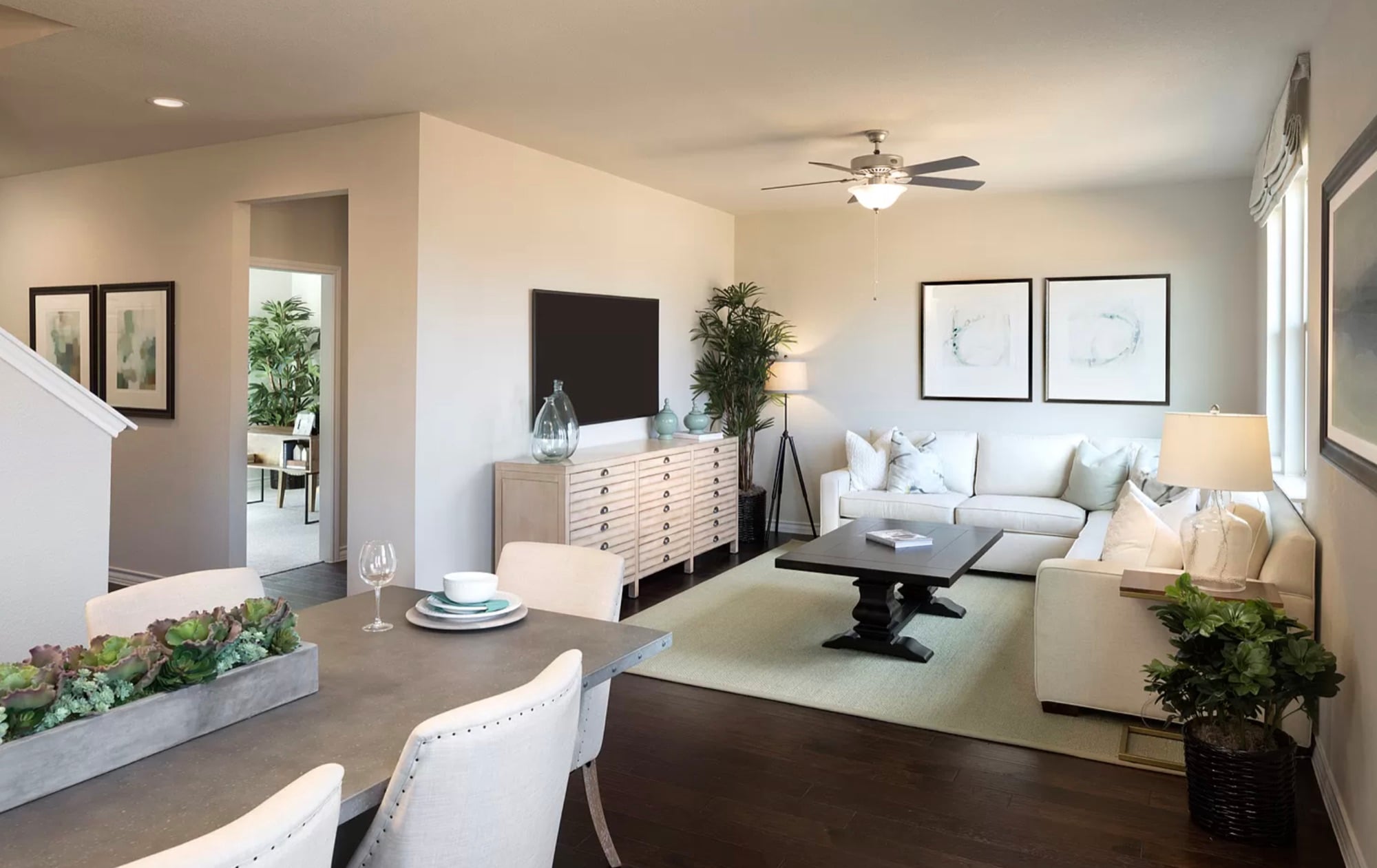
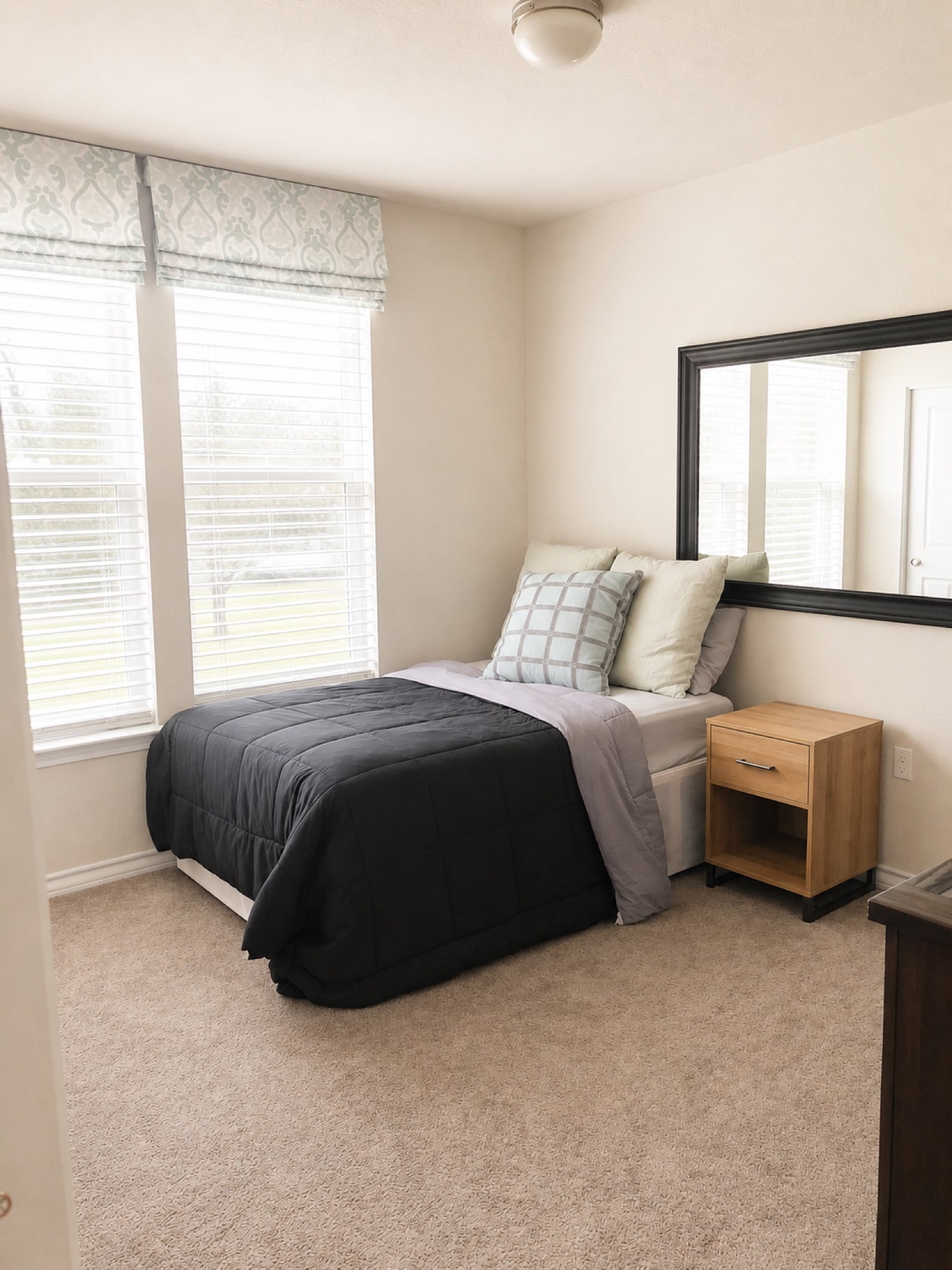
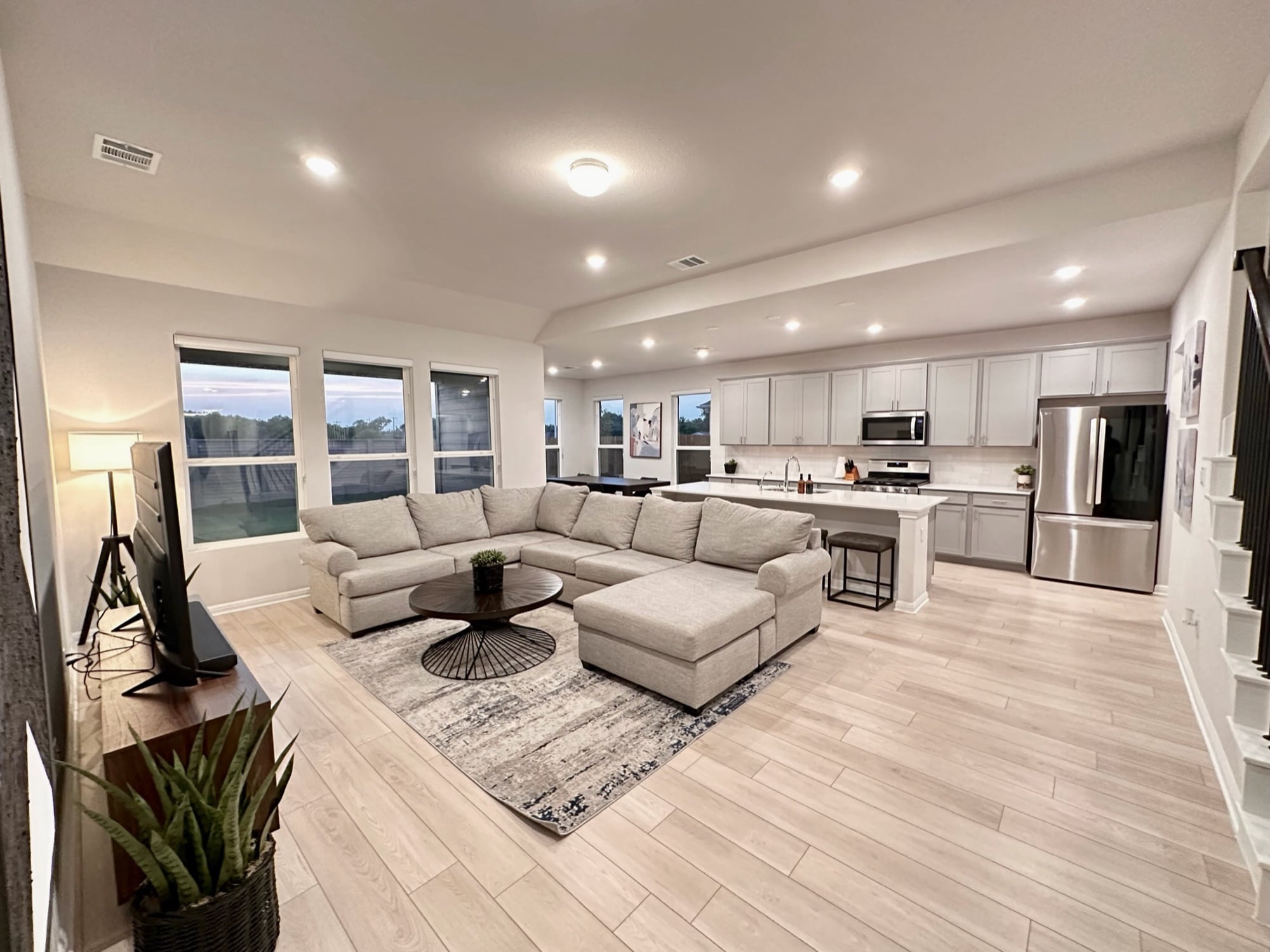
Common areas like the kitchen, living room, and dining room are already furnished, and depending on the home, bedrooms can be furnished too. A furnished bedroom costs only slightly more, and prices also depend on the home’s location, so a furnished room in one home can cost less than an unfurnished room in another. Shared spaces are professionally cleaned every month. For most people, that means moving in with a suitcase and a few boxes instead of buying a whole apartment’s worth of furniture.
What’s the total cost of an apartment vs a room for a year?
Here’s everything added up: the cash you need to move in, what you’ll pay each month, and the total for your first year.
| Cost | One-bedroom apartment | Room in an Amsoo home |
|---|---|---|
| Every month | ||
| Rent | $1,421 | $700 to $1,050 |
| Utilities, internet, and fees | $155 to $300 | $100 to $150 |
| Renters insurance | $19 | $19 |
| One-time costs | ||
| Application fee | $20 to $100 | $50 |
| Admin fee | $50 to $200 | $0 |
| Utility setup fees | $20 to $35 | $0 |
| Furniture | $1,570 to $8,400 | $0 to $870 |
| Refundable deposits | ||
| Security deposit | $150 to $1,421 | $700 to $1,050 |
| Utility deposit | $0 to $200 | $0 |
| Cash to move in | $3,405 to $12,096 | $1,569 to $3,189 |
| Monthly total | $1,595 to $1,740 | $819 to $1,219 |
| First-year total | $20,800 to $29,615 | $9,878 to $15,548 |
Typical first-year savings with a room: about $12,500
Cash to move in = first month + one-time costs + deposits. First-year total = one-time costs + 12 months; refundable deposits aren’t counted. Apartment rent is RentCafe’s August 2026 average for large complexes. Utilities and fees are an Austin apartment locator’s 2026 estimate. Furniture runs from budget basics (based on Rent.com prices) to mid-range (Furnishr); a room’s furniture cost is $0 if the bedroom is furnished, or about $870 for budget bedroom basics. Amsoo rent and deposit (one month’s rent) are live from our listings; furnished rooms cost slightly more, and prices also vary by home.
Why does a room make sense when the job market feels uncertain?
Nobody moves to a new city expecting to lose their job, but Austin’s job market has softened. The area’s unemployment rate was 4.0% in July 2026, up from 3.6% a year earlier, and employers announced about 155,000 tech job cuts nationwide through August 2026, 52% more than the same period in 2025.
Keeping your fixed costs low is one of the simplest ways to protect yourself. In the Federal Reserve’s latest survey, 37% of adults said they couldn’t cover an unexpected $400 expense with cash. The money a room saves each month can go straight into an emergency fund, and you aren’t locked into a pricey 12-month lease or a houseful of furniture if your plans change.
Is it easier to make friends living in a shared home?
For most people new to a city, yes. Loneliness is common, especially for younger adults: in The Cigna Group’s 2025 survey, 67% of Gen Z and 65% of millennials reported being lonely. Moving somewhere you don’t know anyone makes it harder.
A shared home gives you people to cook with, go to the gym with, or explore Austin with from the first week. Everyone in our homes is a working adult who went through the same screening, so you know a bit about who you’re living with before you move in.
What happens if I need to leave early?
Apartment leases in Austin are usually 12 months. If you break one, you typically stay responsible for rent until the lease ends or the unit is re-rented, and Texas leases often include a reletting fee, commonly set at 85% of a month’s rent.
Our lease terms are more flexible, including terms that work for summer interns, though we prefer longer stays. If your plans might change, ask us about options before you sign.
Life also happens after you move in. A new job site, a schedule change, or a house that just isn’t the right fit can change what you need. With our Room Transfer Guarantee, residents on a lease of 6 months or longer can move to an open room in another Amsoo home. Pricing details apply, so ask us how it works.
When is an apartment the better choice?
A room isn’t for everyone. An apartment is probably the better fit if you:
- Want full privacy, including your own kitchen and bathroom
- Have a pet or are moving with a partner
- Plan to stay in the same place for several years and want to set it up your way
If none of those apply, especially if you’re new to Austin, on a short-term assignment, or trying to save, a room is worth a serious look.
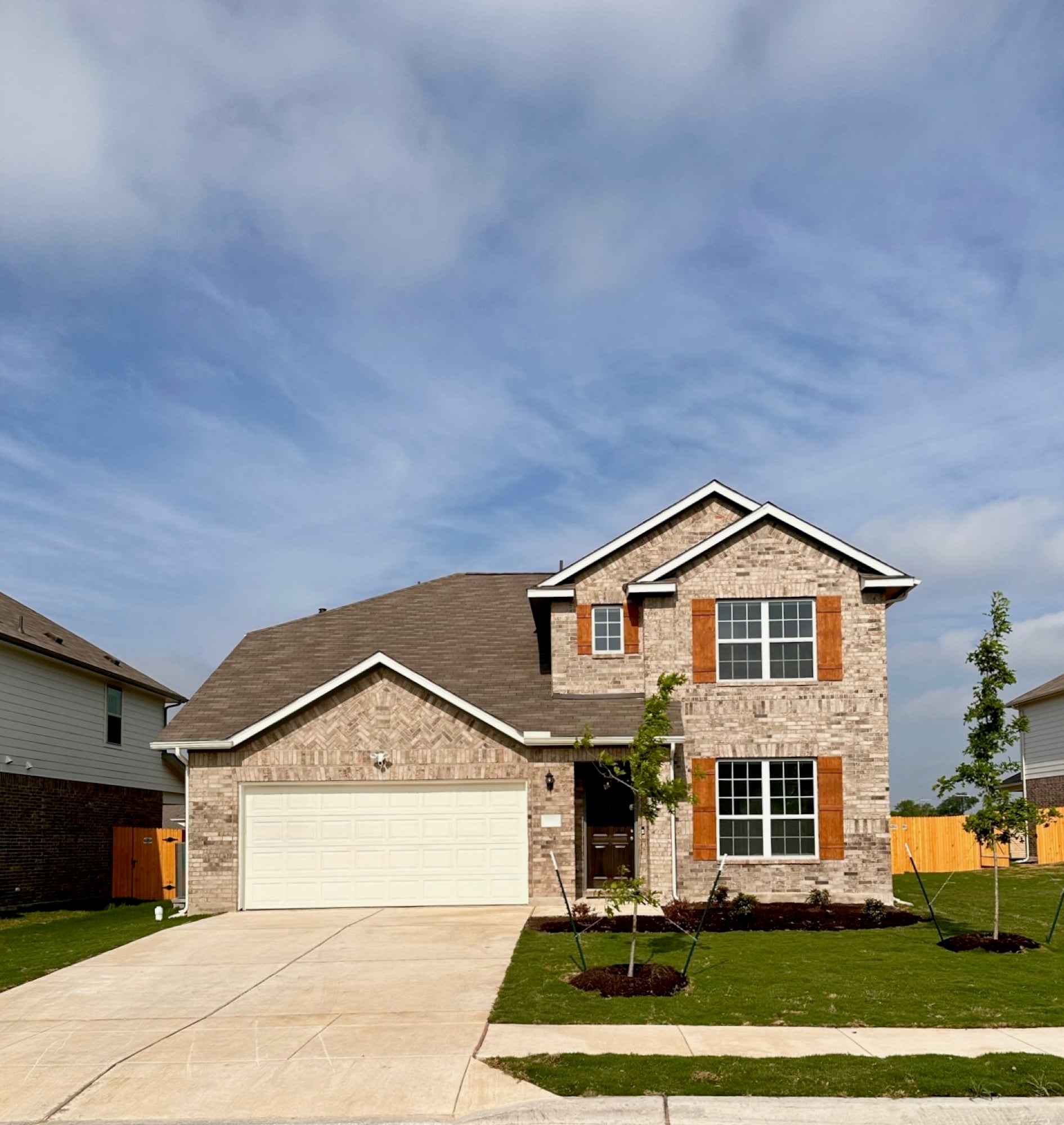
Caballo Blanco — Unit B
Private room with private bath
Available September 2026
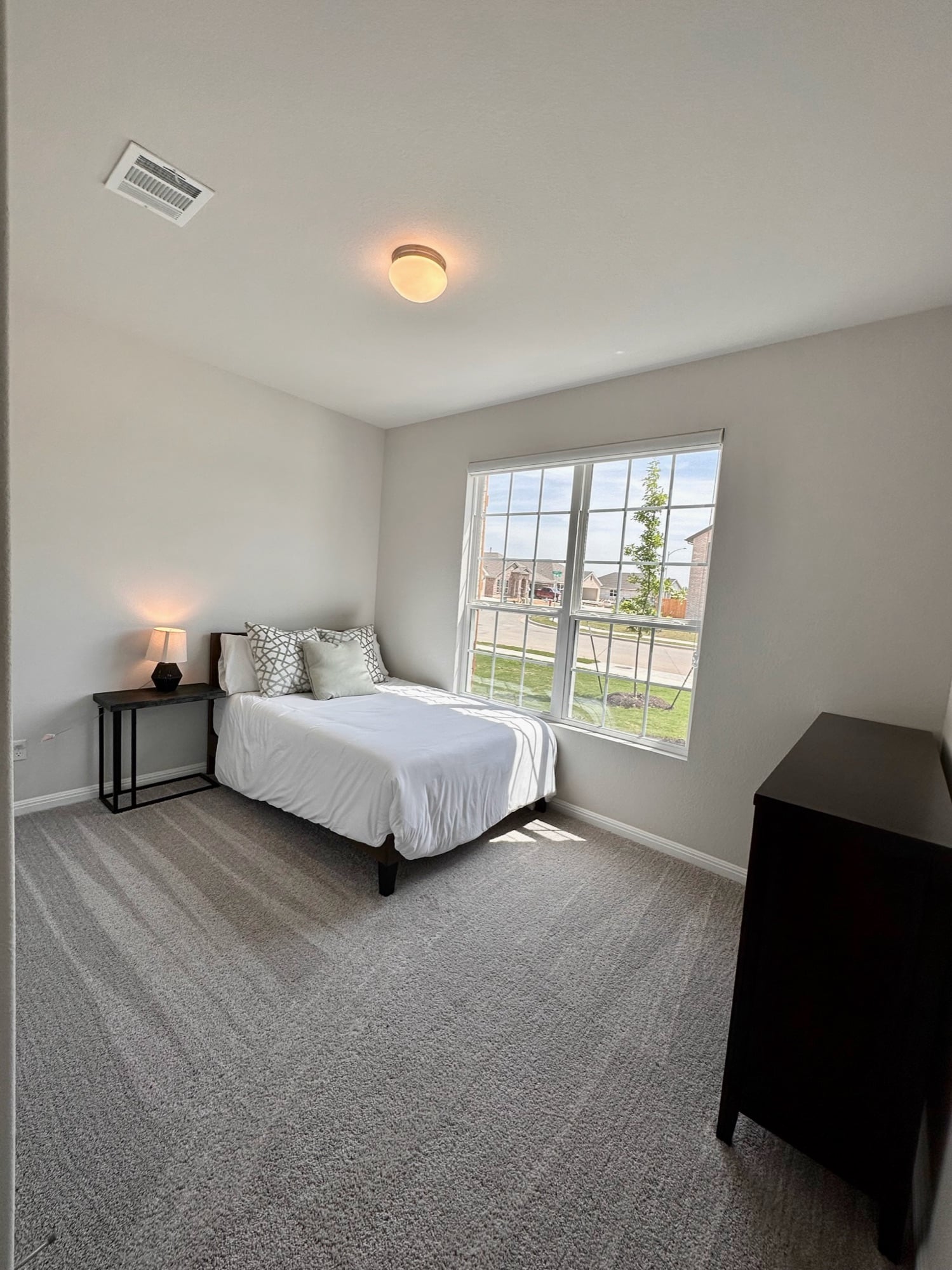
Chapala — Unit B
Furnished private room with private bath
Available September 2026
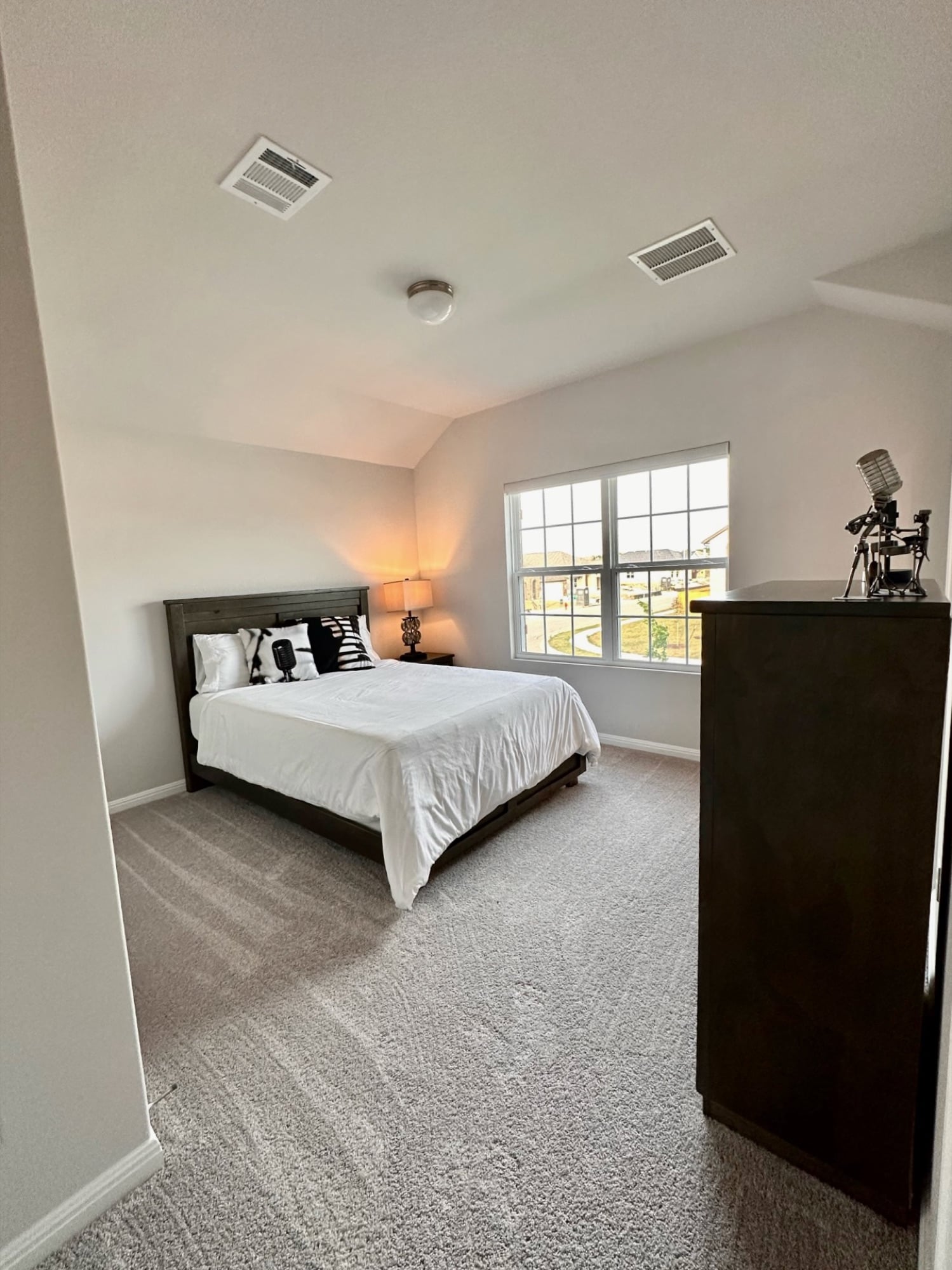
Chapala — Unit C
Furnished private room with private bath
Available September 2026
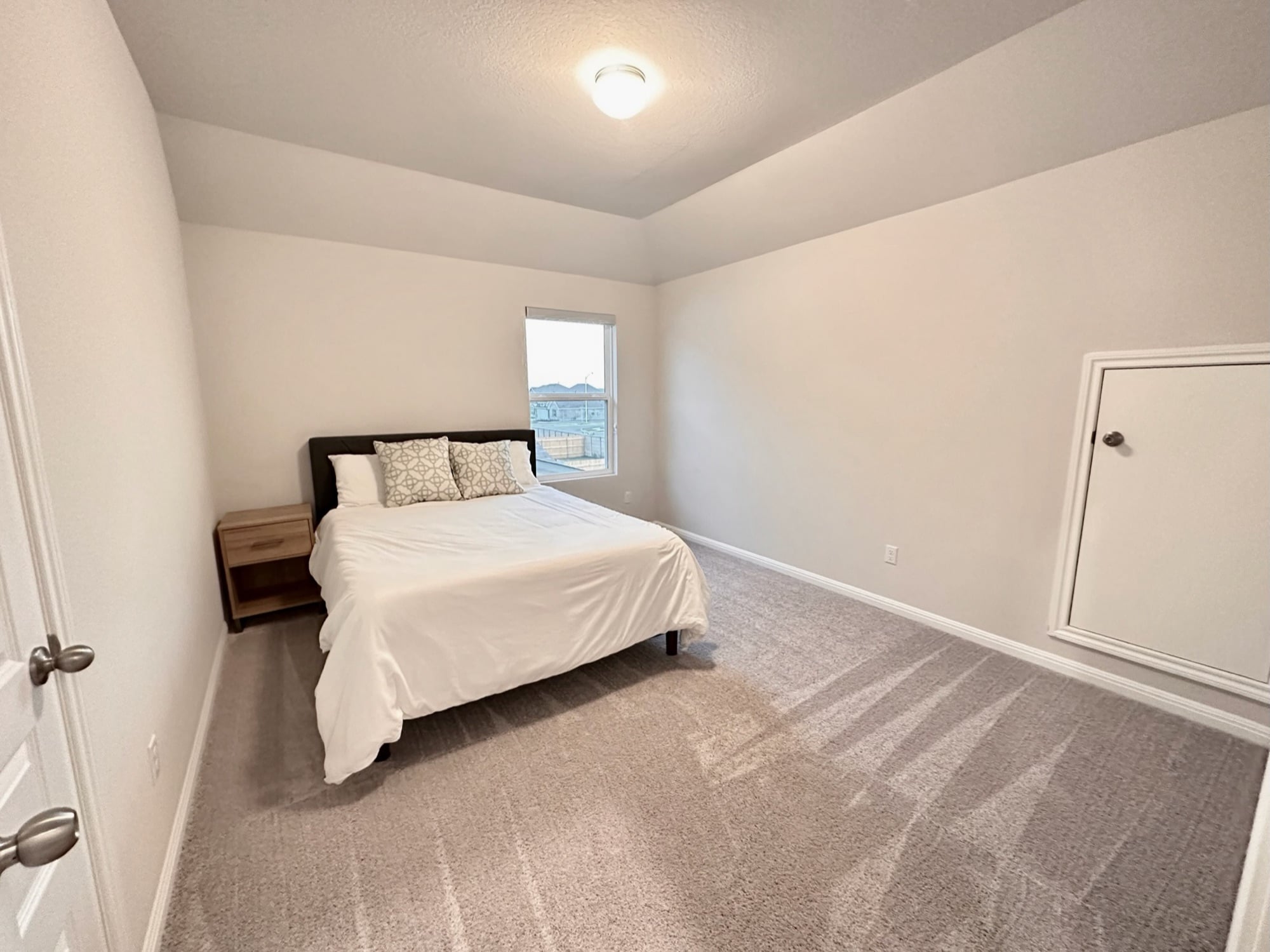
Chapala — Unit E
Furnished private room with shared bath
Available September 2026
Frequently asked questions
Is it cheaper to rent a room or an apartment in Austin?
Usually a room. The average one-bedroom in Austin’s larger complexes was about $1,421 a month in August 2026, before utilities, fees, and furniture. A room in a shared home costs less, with utilities split among housemates and common areas already furnished.
How much are utilities for an apartment in Austin?
It depends on the unit and season. Austin Energy’s sample bill for a typical home is about $116 a month, internet runs about $30 to $70, and many complexes add water, trash, and other monthly fees.
Can I rent a room for a summer internship in Austin?
Yes. Our lease terms work for summer internships, and if your internship is a little shorter, reach out and we’ll see what we can do.